
Why British food costs more in the Philippines
A behind-the-scenes look at importing, stock balancing, shipping delays and the realities of supplying authentic British groceries across the Philippines.
For many people living in the Philippines, finding familiar British food can be surprisingly difficult. Products that are considered completely ordinary in the UK — from proper tea and baked beans to biscuits, gravy, pies and sauces — are often unavailable locally or only appear occasionally in very limited quantities.
At first glance, some customers understandably compare imported products to supermarket prices back in Britain and wonder why the cost is higher overseas. After all, many of these foods are everyday cupboard staples in the UK rather than luxury items.
However, the reality behind importing British groceries into the Philippines is far more complicated than simply placing products on a shelf.
Behind every tin, packet, jar and box is a long process involving sourcing, international shipping, customs handling, storage planning, stock forecasting, supply shortages, changing customer demand and the constant challenge of balancing limited stock fairly between customers.
In many ways, running a British food store overseas has far more in common with logistics and long-term planning than people might initially expect.
Quick Facts: Imported British Food
British food has to travel thousands of miles
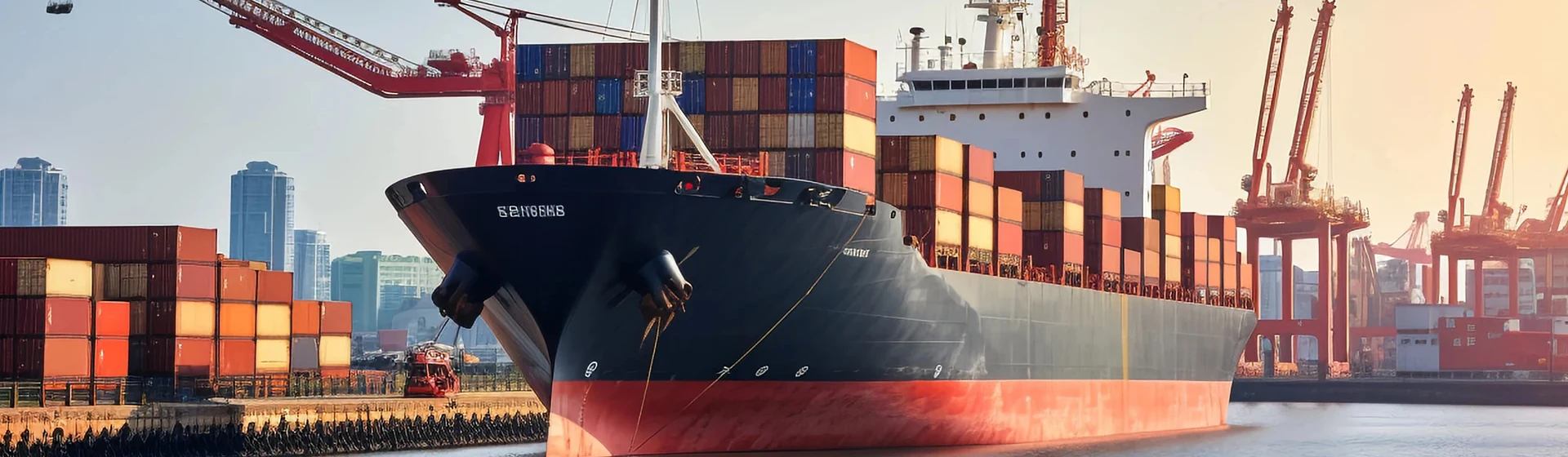
One of the biggest differences between buying groceries in the UK and importing them into the Philippines is distance.
British supermarkets receive constant domestic deliveries through large nationwide distribution systems operating entirely inside the country. Imported British food, on the other hand, must travel internationally before it even reaches Philippine shores.
Products are often ordered many months before customers ever see them available online or in stock. During that time, shipping schedules can change, containers can be delayed, suppliers can run short of stock and customer demand can shift unexpectedly.
Sometimes products that were available when an order was originally planned are no longer available by the time shipments are finalised.
In many cases, planning for the next shipment begins before the current one has even arrived.
Predicting demand is surprisingly difficult
One month, customers may suddenly buy large quantities of British tea. Another month, demand may shift towards sauces, cereals, pies, sweets or biscuits instead.
Certain products can remain quiet for weeks before unexpectedly becoming extremely popular again.
Unlike large supermarket chains, specialist importers cannot simply store unlimited quantities of every product.
Shelf space, storage conditions, shipping weight, box sizes and import costs all matter.
This means difficult decisions constantly have to be made:
- Which products should be reordered first?
- Which items are likely to sell fastest?
- How many tins, jars or packets should realistically be imported?
- Which products may not be available again for several months?
- How can limited stock be shared fairly between customers?
Trying to balance these factors is one of the biggest challenges of operating a British food business overseas.
Why some products suddenly disappear
Customers sometimes notice that a favourite product suddenly goes out of stock and stays unavailable for a long time.
This can happen for many different reasons:
- Supplier shortages in the UK
- Products becoming temporarily unavailable
- Limited space inside shipments
- Unexpected demand spikes
- Seasonal buying patterns
- Long replenishment lead times
- Changing shipping availability
Imported stock often arrives in far smaller quantities than customers imagine.
In reality, many products are carefully rationed simply to give as many people as possible the opportunity to buy them before they completely sell out.
Without that balancing act, a small number of buyers could potentially clear entire shipments very quickly, leaving other regular customers waiting months for another restock.
Importing is very different from shopping in Tesco
It is understandable that some people compare imported grocery prices to supermarket prices back in Britain.
However, major UK supermarket chains operate on enormous scales that specialist overseas importers simply cannot match.
Large British supermarkets buy directly in huge volumes, receive constant local deliveries and distribute products through extensive warehouse networks.
Imported British food businesses overseas work on a far smaller scale while also absorbing:
- International shipping costs
- Import handling
- Long storage timelines
- Product risk
- Unpredictable demand
- Long restocking delays
- Limited shipment space
In many cases, products that appear completely ordinary inside Britain become specialist imported goods once they are sold overseas.
Balancing fairness for customers
Another challenge with imported stock is deciding how to distribute products fairly when supply is limited.
If a small shipment arrives and one customer immediately purchases a large percentage of the available stock, other regular customers may miss out entirely and have to wait months for another shipment.
For this reason, specialist food stores sometimes place limits on certain high-demand products during low-stock periods.
While this can occasionally disappoint customers, the intention is usually to keep products available for as many people as possible rather than allowing entire shipments to disappear immediately.
Balancing fairness, customer expectations and limited stock levels is a constant part of operating a British food store overseas.
British comfort food still matters
Despite the challenges, demand for British groceries in the Philippines continues because food is strongly connected to comfort, routine, nostalgia and home.
For many British expats, mixed-nationality families, returning Filipinos and long-term residents, familiar products from the UK provide more than simple convenience.
They provide familiarity and a connection to ordinary everyday life back home.
Even simple products like tea, baked beans, gravy, biscuits or chocolate can carry surprisingly strong emotional value for people living far from Britain.
Sometimes it is the smallest everyday foods that people miss the most.
The reality behind imported British food
Running a British food store in the Philippines involves constant planning, forecasting, balancing and adapting.
Demand changes quickly, supply chains are unpredictable and shipments can take months to arrive.
While customers often only see the final product on a shelf or website, there is a considerable amount of work happening behind the scenes to keep authentic British groceries available across the Philippines.
For specialist importers, the goal is not simply to sell products.
It is to continue providing access to a small piece of home for people who miss familiar British food while living overseas.
That is what makes imported British food more than simply groceries.
For many customers, it represents familiarity, comfort and a connection to home that cannot easily be replaced.