
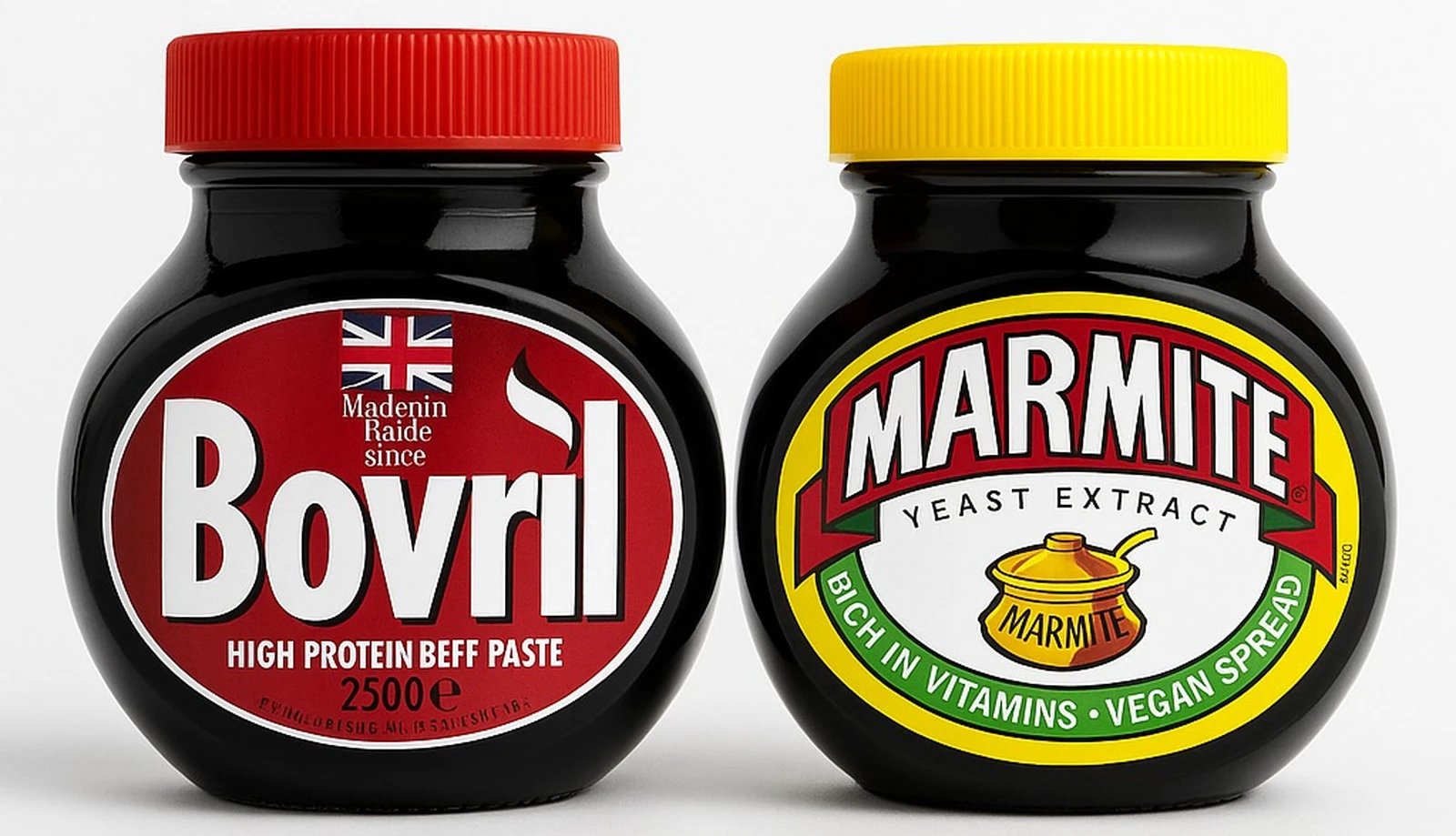
Bovril vs Marmite in the Philippines
Two famous British cupboard classics — but with very different flavours, uses and traditions. This guide explains the real difference between beefy Bovril and yeasty Marmite, how British expats actually use them, and which jar is better for toast, hot drinks and savoury cooking.
Bovril and Marmite are often mentioned together because they are both dark, salty and strongly savoury. They also occupy a similar place in British food culture: both are cupboard staples, both are tied to nostalgia, and both can instantly make toast, sandwiches or simple cooking taste more like home.
But despite those similarities, they are not the same product and they are not interchangeable. Their base ingredients, flavour profiles and best uses are all quite different.
For British expats in the Philippines, the choice usually comes down to what kind of comfort food experience you are trying to recreate — a beefy savoury drink, proper Marmite-on-toast, or a familiar flavour boost in soups, gravies and everyday cooking.
Quick answer: choose Bovril if you want a meaty, beefy savouriness and a classic hot drink. Choose Marmite if you want that iconic yeast-umami kick on toast and in savoury cooking.
Quick Facts: Bovril and Marmite
Bovril vs Marmite: side-by-side comparison
| Feature | Bovril | Marmite |
|---|---|---|
| What it is | Concentrated beef extract spread / cooking booster | Yeast extract spread made from brewer’s yeast |
| Flavour | Beefy, savoury, salty, broth-like depth | Salty, umami, yeasty, very distinctive |
| Texture | Thick paste; dissolves well into hot liquid | Sticky, glossy paste; spreads best very thinly |
| Most common use | Hot drink + cooking | Toast spread + savoury cooking boost |
| Vegetarian? | No | Yes |
| Best for | Comforting savoury mug, gravies, stews, soups | Toast, cheese on toast, savoury snacks, umami boost |
What is Bovril?
Bovril is a concentrated beef extract with a rich, salty and deeply savoury flavour. In Britain it is famous not only as a spread, but also as a warming drink made by stirring a small amount into hot water.
That hot beefy mug is a familiar comfort for many Brits, especially in colder weather, at football matches, or whenever something hearty and nostalgic is wanted.
Bovril is also widely used in cooking. A little can enrich gravy, deepen stews, strengthen soups and add a fuller, more beefy backbone to savoury dishes. Because it is concentrated, most people only need a small amount at a time.
What is Marmite?
Marmite is a yeast extract spread made from brewer’s yeast and known for its bold, salty, umami-heavy flavour. It is one of the most recognisable British food products and is famous for being a true love-it-or-hate-it classic.
Most people use Marmite in a very specific way: butter first, then a very thin layer of Marmite on toast. Used sparingly, it gives a deep savoury kick that is instantly familiar to many British households.
Marmite is also popular in cooking, especially when a dish needs an extra hit of umami. Because it is yeast-based rather than meat-based, it is commonly chosen by vegetarians too.
Taste and texture: what they actually feel like on toast
The easiest way to understand the difference is this: Bovril tastes like concentrated beef stock, while Marmite tastes like salty, yeasty umami. Both are intense and savoury, but the flavour direction is completely different.
On toast, Bovril feels more brothy, meaty and rounded, especially when spread thinly over butter. Marmite feels sharper, more distinctive and more concentrated, which is why people often say it should be used very lightly.
In texture, Bovril is thick but works very well when dissolved into hot liquids, while Marmite stays glossy, sticky and spreadable. Neither is a casual “pile it on” kind of spread — both are best used with a bit of restraint.
How British expats typically use Bovril
- Savoury hot drink: mix a small amount into hot water and adjust to taste.
- Gravy booster: add a little for deeper roast-style flavour.
- Stews and casseroles: use small amounts for savoury depth.
- Soups: adds backbone and richness.
- Toast: butter first, then a thin layer.
The key with Bovril is to start small. It is concentrated and salty, so the aim is depth and comfort rather than overpowering the dish.
How British expats typically use Marmite
- Marmite on toast: butter plus a very thin wipe of Marmite.
- Cheese on toast: Marmite under the cheese is a UK classic.
- Pasta sauces: a small amount adds savoury depth.
- Soups and stews: used sparingly, it boosts umami.
- Marinades: tiny amounts can add extra savouriness.
Marmite is definitely a less-is-more ingredient. If it tastes too harsh or overpowering, the usual answer is simply that too much was used.
Which one should you choose?
If you are undecided, the best approach is to choose based on the flavour memory or cooking job you want to recreate.
- You want a savoury mug drink or beefy comfort flavour: choose Bovril.
- You want classic British toast flavour and a vegetarian option: choose Marmite.
- You cook gravies, stews and soups often: Bovril is usually the easier fit.
- You want an umami cupboard booster: Marmite works brilliantly in small amounts.
- You want both kinds of British savoury comfort: many households keep both.
That is really the heart of it: Bovril and Marmite are both iconic, but they solve different flavour needs.
Storage tips in the Philippine climate
Both products are concentrated and generally keep well, but heat and humidity still matter in the Philippines.
- Keep lids tightly closed after each use.
- Use a clean, dry spoon or knife.
- Store away from sunlight and heat.
- Follow the jar label guidance for storage instructions.
In very warm kitchens, some people prefer a cooler cupboard or pantry area to help keep texture and flavour more consistent.
Why genuine UK jars matter
Bovril and Marmite are memory foods for many Brits, so authenticity makes a real difference. When you want the exact flavour you remember from home, genuine UK jars are usually what gives that familiar result.
Whether it is Marmite on buttered toast or Bovril stirred into hot water, these are small everyday rituals that can feel surprisingly important when living abroad.
FAQs
Is Bovril the same as Marmite?
No. Bovril is beef-based and tastes brothy and meaty, while Marmite is yeast-based and tastes salty and umami-rich.
Is Marmite vegetarian?
Marmite is yeast-based and is commonly chosen as a vegetarian option. If dietary suitability matters, always check the jar label.
Which is better for cooking?
Both can work. Bovril is often better for gravies, stews and soups when you want beefy depth, while Marmite adds savoury umami in small amounts.
Why do people say use Marmite thinly?
Marmite is very concentrated. A thin wipe gives the classic flavour; too much can overwhelm the toast.
More British Food Guides
- Chocolate & Sweets in the Philippines
- British Teas in the Philippines (PG Tips, Typhoo, Yorkshire)
- British Breakfast Cereals in the Philippines
- Drinks & Beverages in the Philippines
- Condiments & Sauces (British classics)
- British Cooking Ingredients & Sauces in the Philippines
- British Salad Cream in the Philippines
- British Jams & Spreads in the Philippines
- Tinned Meals in the Philippines
- Fray Bentos Pies in the Philippines
- Bisto Gravy in the Philippines
- HP Sauce in the Philippines
- Branston Pickle in the Philippines
- Branston Pickle: Jar vs Squeezy
- Bovril vs Marmite (250g)
- UK Supermarkets (Philippines guide)
- Where to Buy British Food in the Philippines
- Christmas in the Philippines (for expats)
- How We Store & Deliver British Food
- British Food Cupboard (Philippines)
- Colman’s English Mustard
- British Biscuits (McVitie’s classics)